
United by Academia, Inspired by Exploration — CHIRALITY 2026
Date: July 14-17, 2026
1.Exploring the Frontiers of Science: Gathering at an International Academic Conference
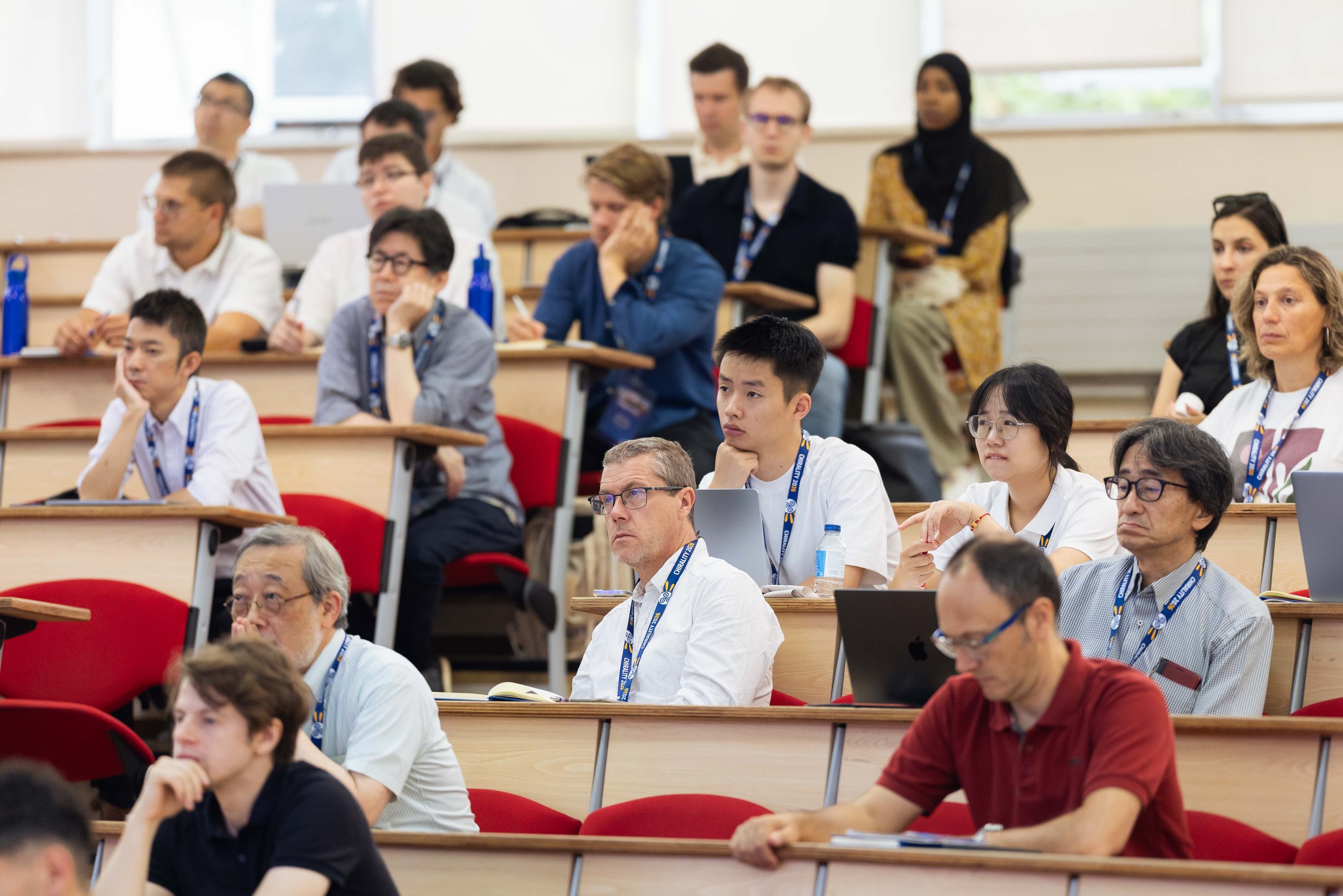
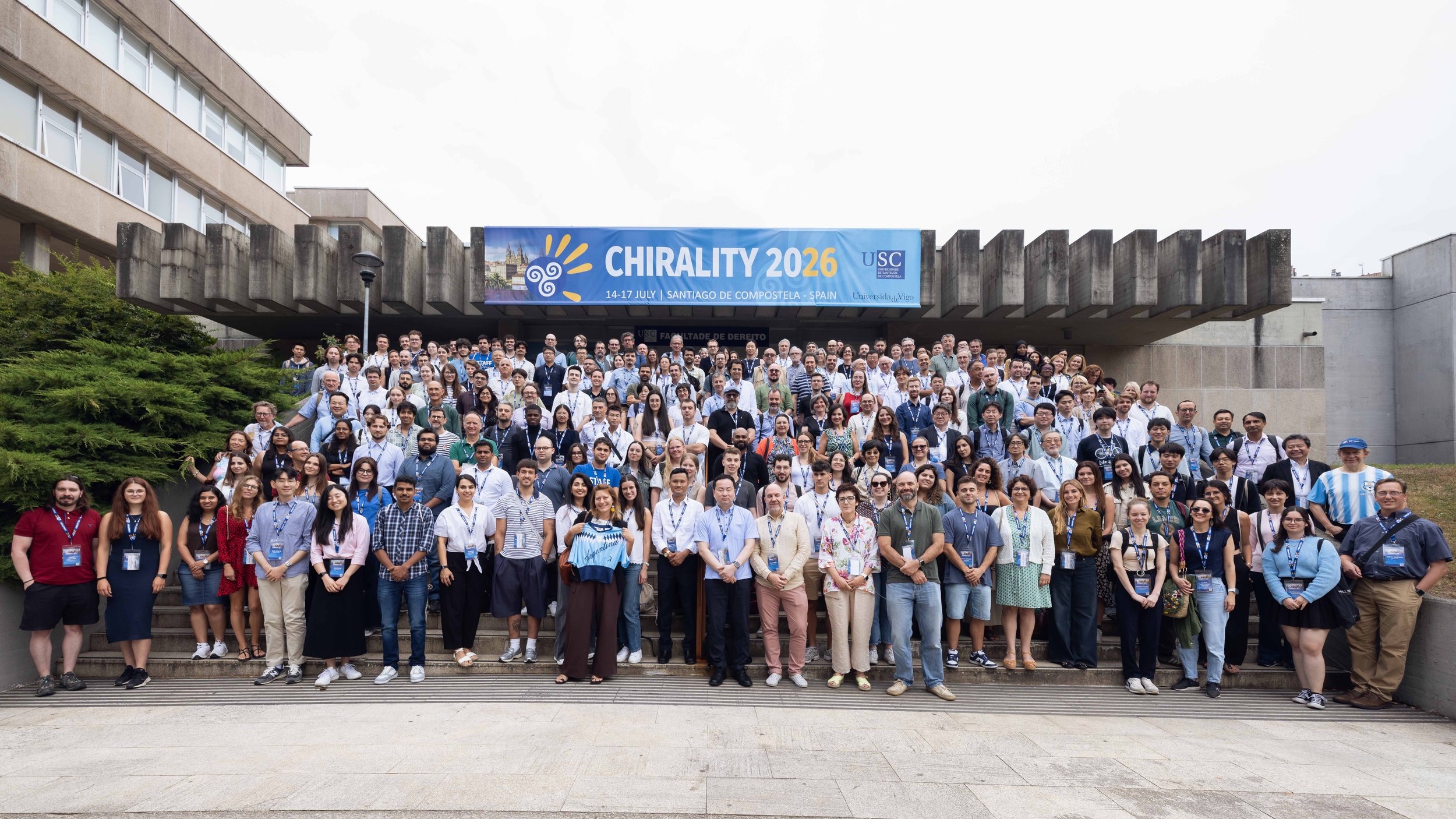
On July 14, 2026, the 36th International Symposium on Chirality (CHIRALITY 2026) was held in Santiago de Compostela, Spain. The event brought together researchers and scholars from around the world to share insights and discuss the latest advances in chirality science and related interdisciplinary fields. Dr. Hubiao Huang, accompanied by Ph.D candidates Jiayu Yao and Yongjian Chen, attended the symposium to engage with international peers and explore emerging scientific frontiers and innovative research developments.
Throughout the symposium, the team members actively participated in keynote lecture, poster session, and scientific discussion, with particular interest in recent breakthroughs in chiral supramolecular materials, chiral polymers, and chiroptical materials.
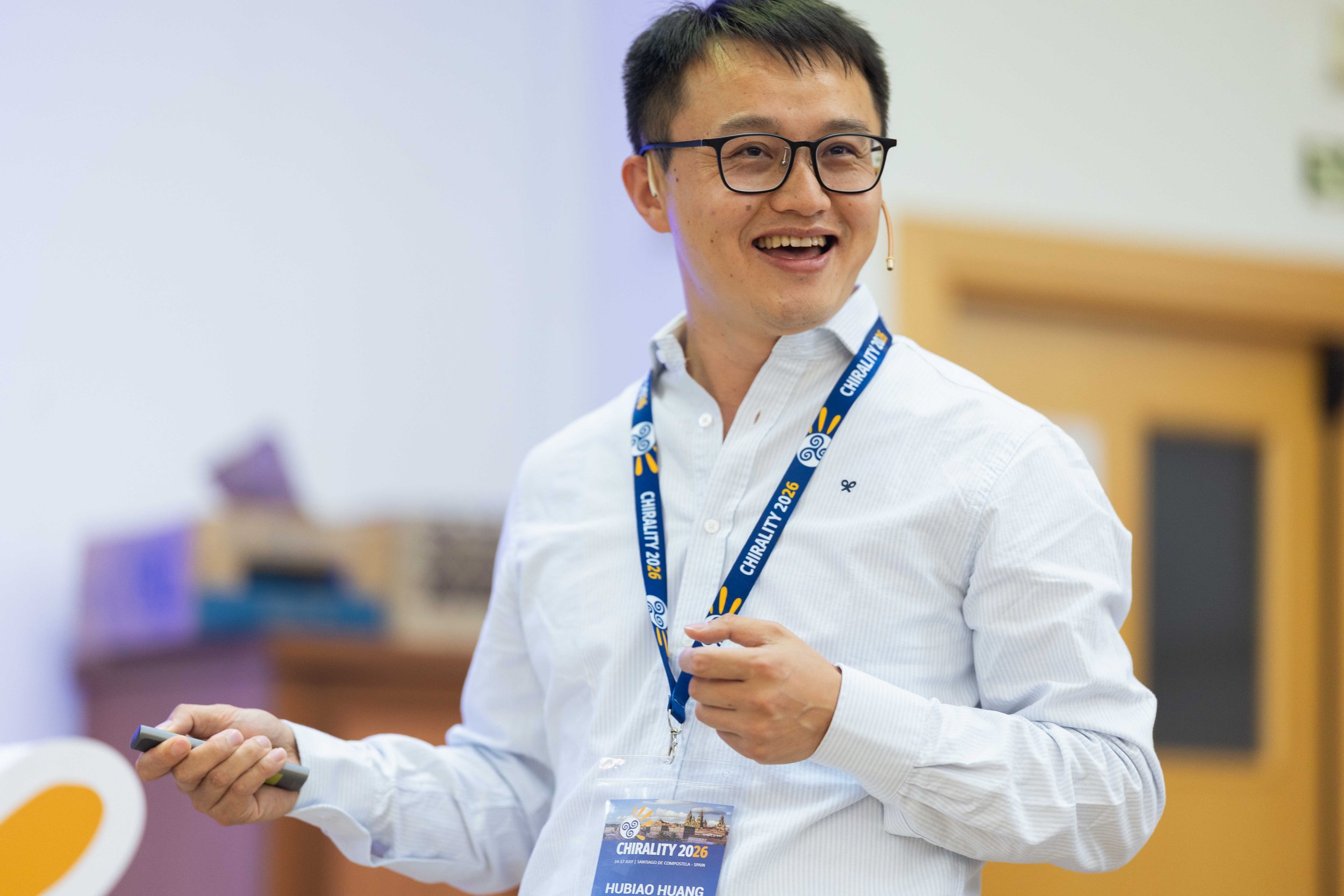
As part of the scientific program, Dr. Hubiao Huang delivered a keynote presentation on the mechanisms underlying the formation of chiral two-dimensional crystals and innovative approaches to designing sustainable supramolecular materials. His talk highlighted key findings on the construction of two-dimensional chiral crystals exhibiting helical structures and circularly polarized luminescence from achiral molecular building blocks, as well as the development of mechanically robust, environmentally metabolizable supramolecular plastics through liquid–liquid phase separation and desalting strategies. These achievements reflected the contributions to chiral material design, supramolecular self-assembly, and sustainable functional materials.
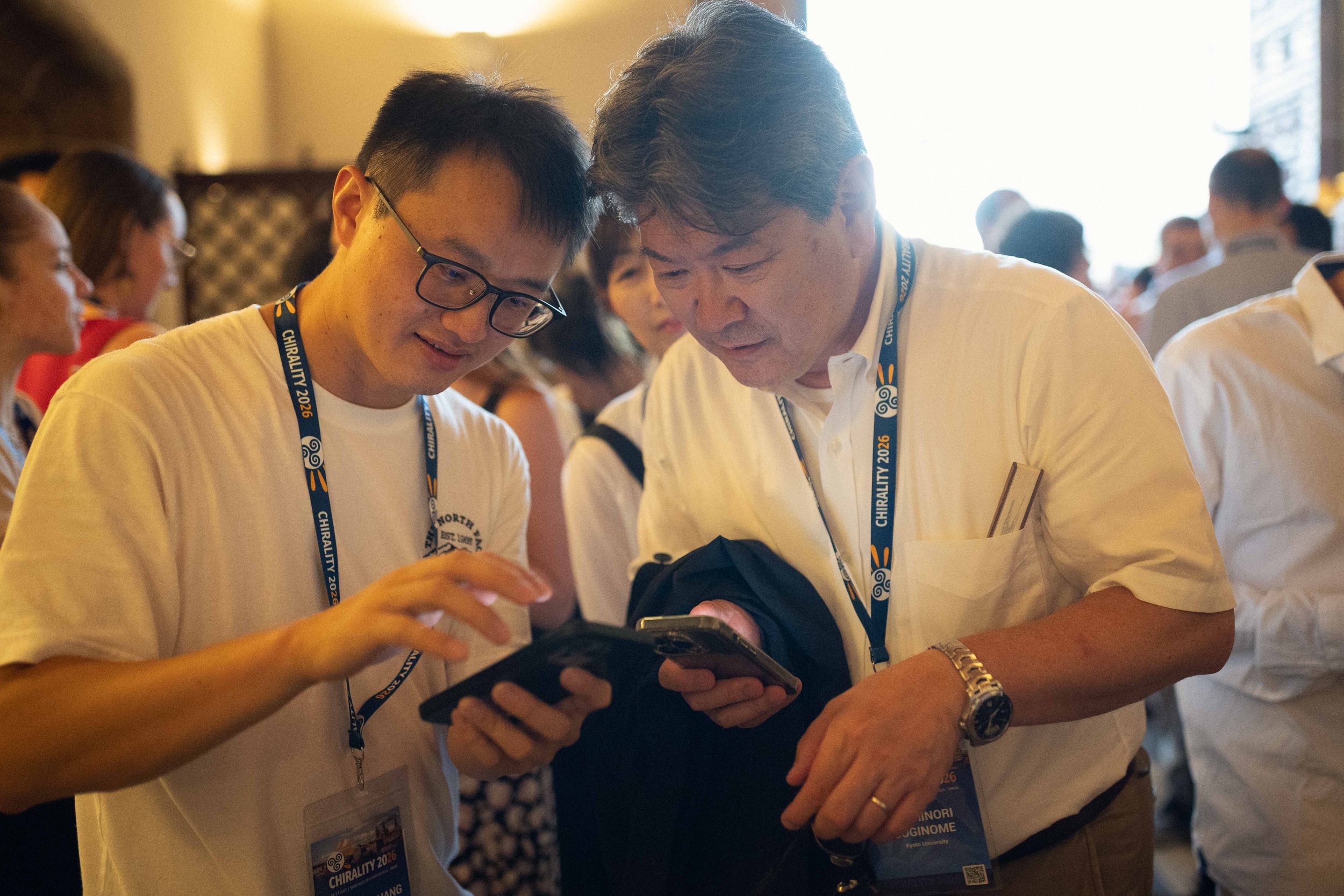
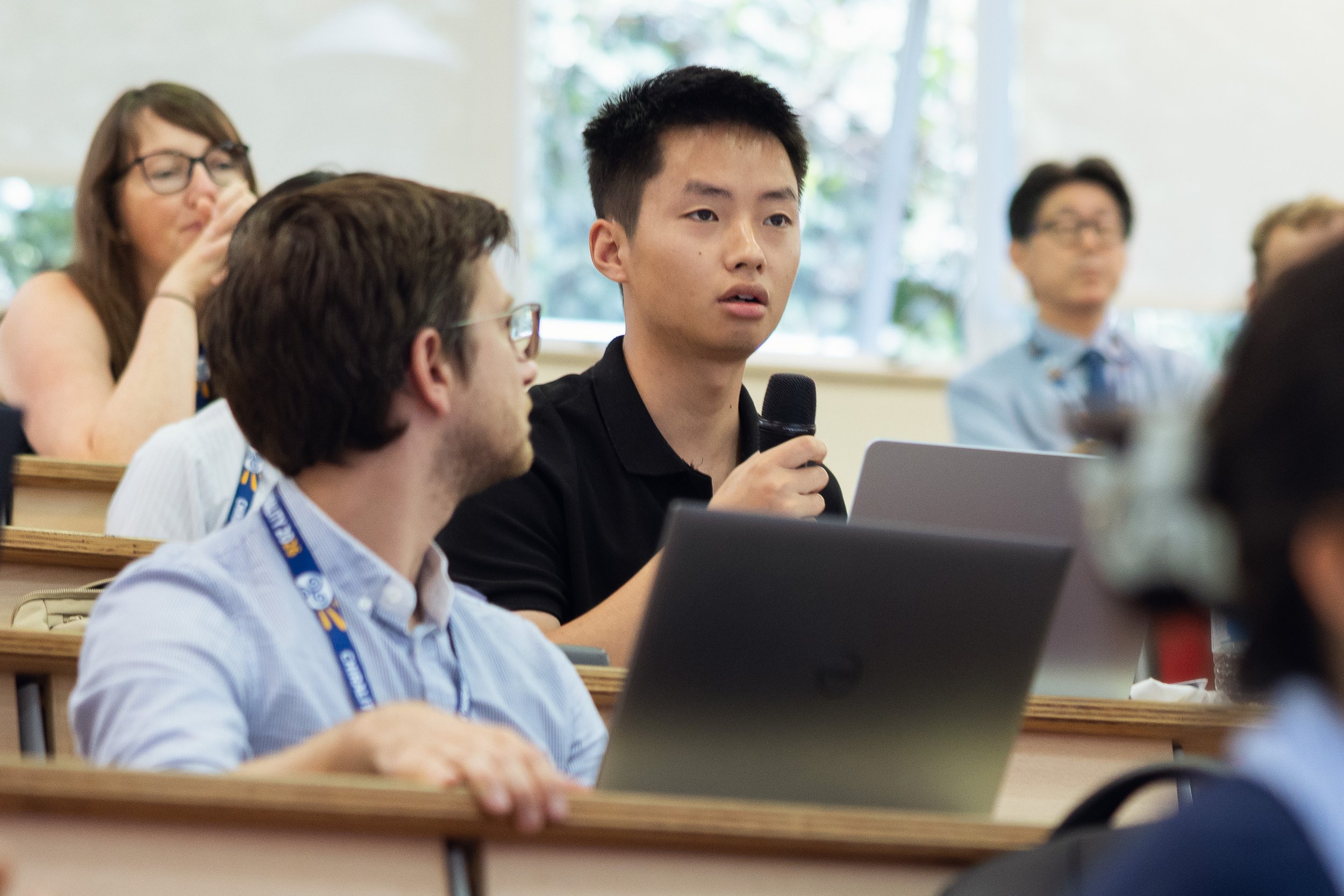
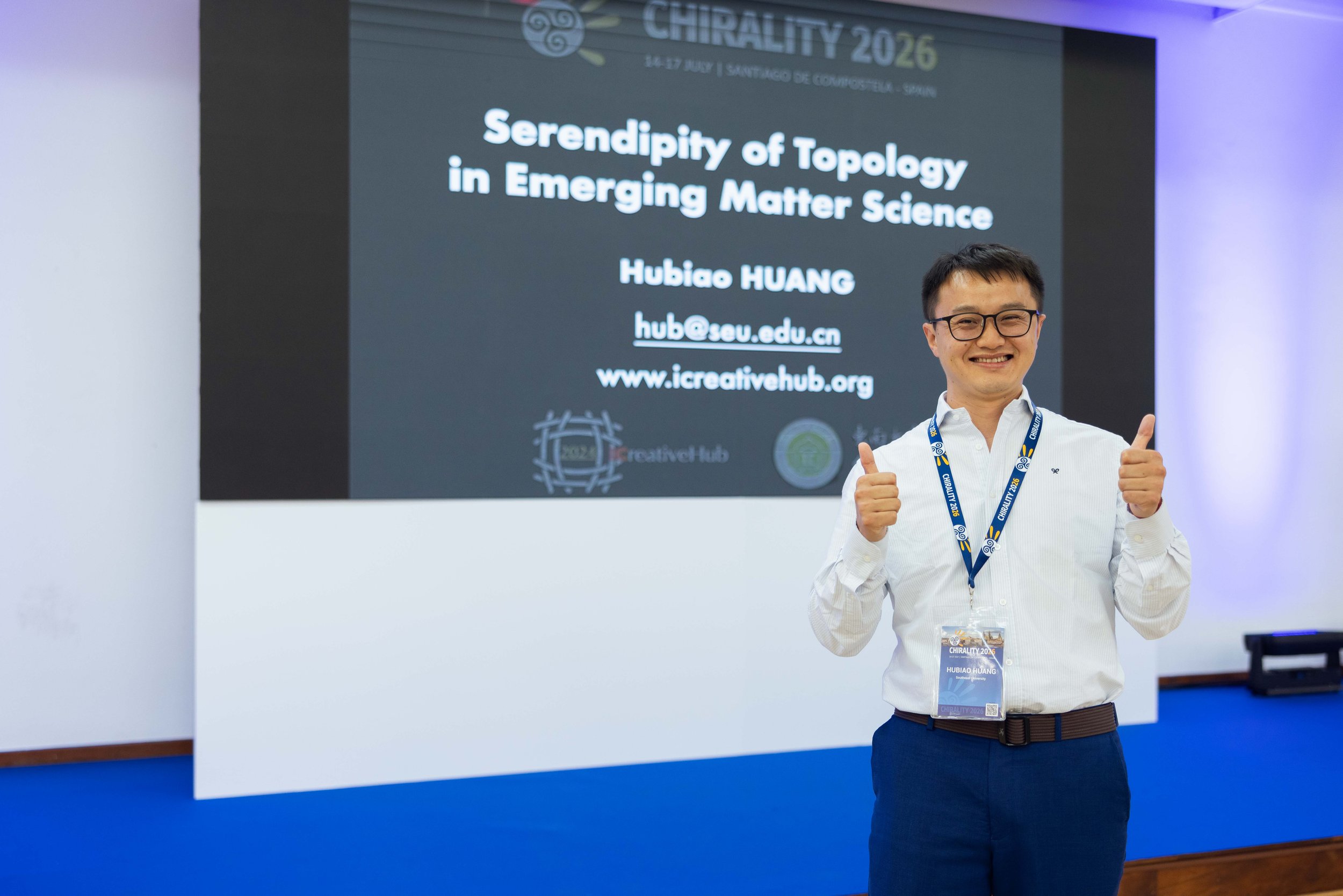
Beyond these presentations, the team gained valuable perspectives from leading scientists across diverse disciplines. Exposure to emerging discoveries and interdisciplinary approaches deepened their understanding of current developments in chirality science and offered fresh inspiration for future research.
2.Exploring Santiago de Compostela
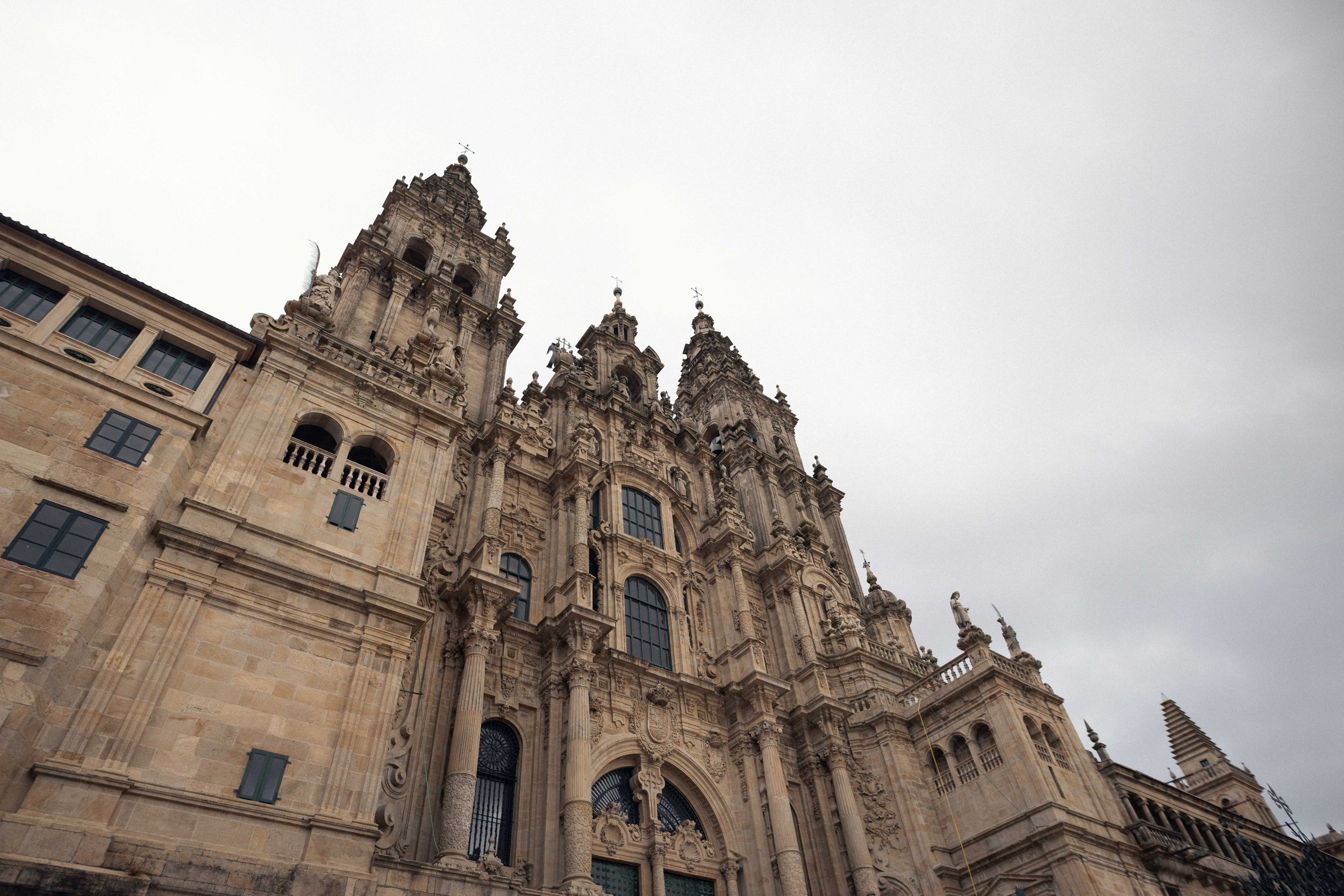
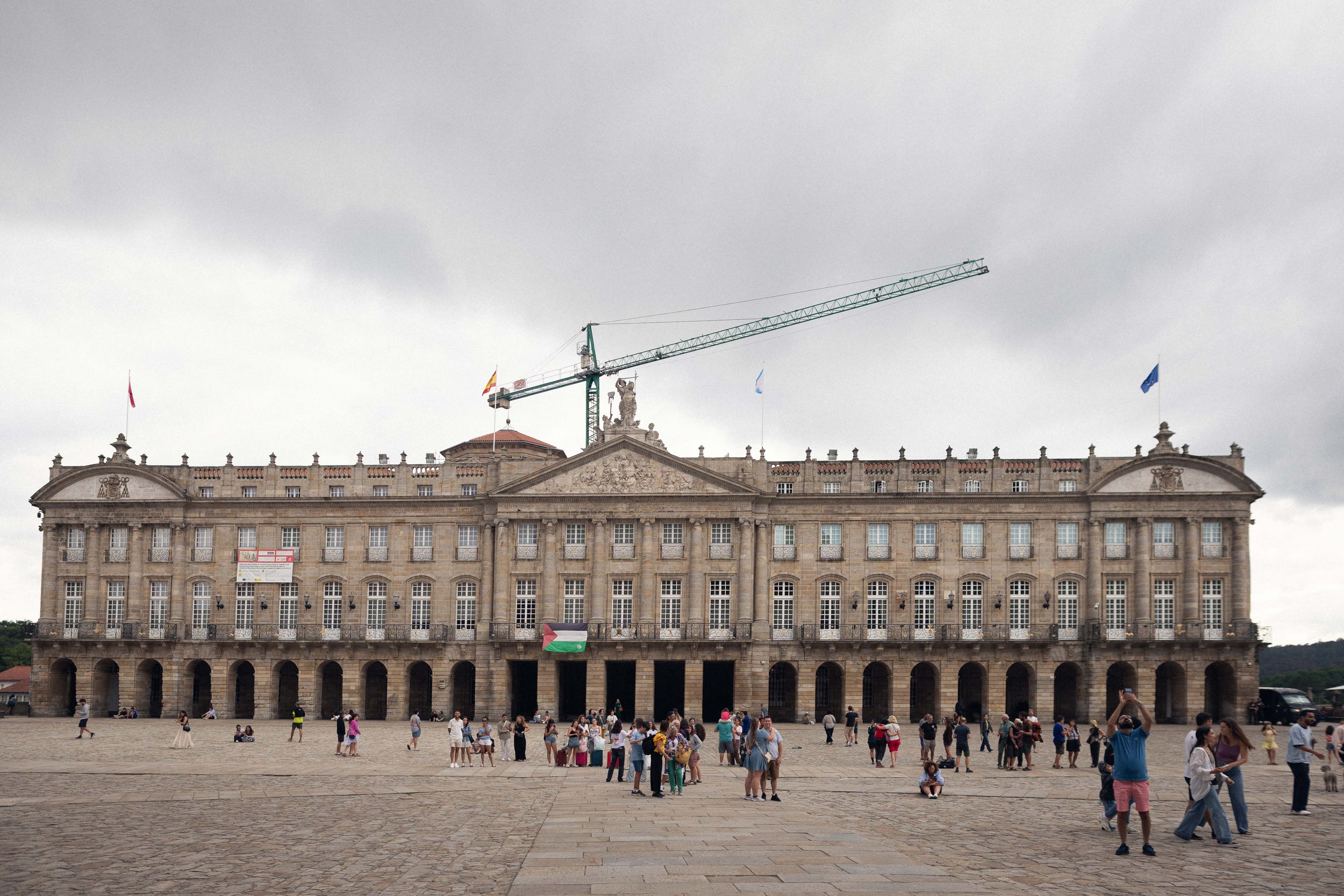
Amid the busy and rewarding academic program, conference participants also took the opportunity to explore Santiago de Compostela and experience the city's distinctive charm. The Cathedral of Santiago de Compostela left a lasting impression with its magnificent architectural scale, elegant Baroque façade, and profound historical atmosphere.
From the historic squares to the winding streets, and from centuries-old architecture to the surrounding urban scenery, we immersed in the distinctive atmosphere of northwestern Spain. The intellectual rigor of academic exchange blended harmoniously with the relaxation and pleasure of exploring a new city.
3.A Taste of Santiago
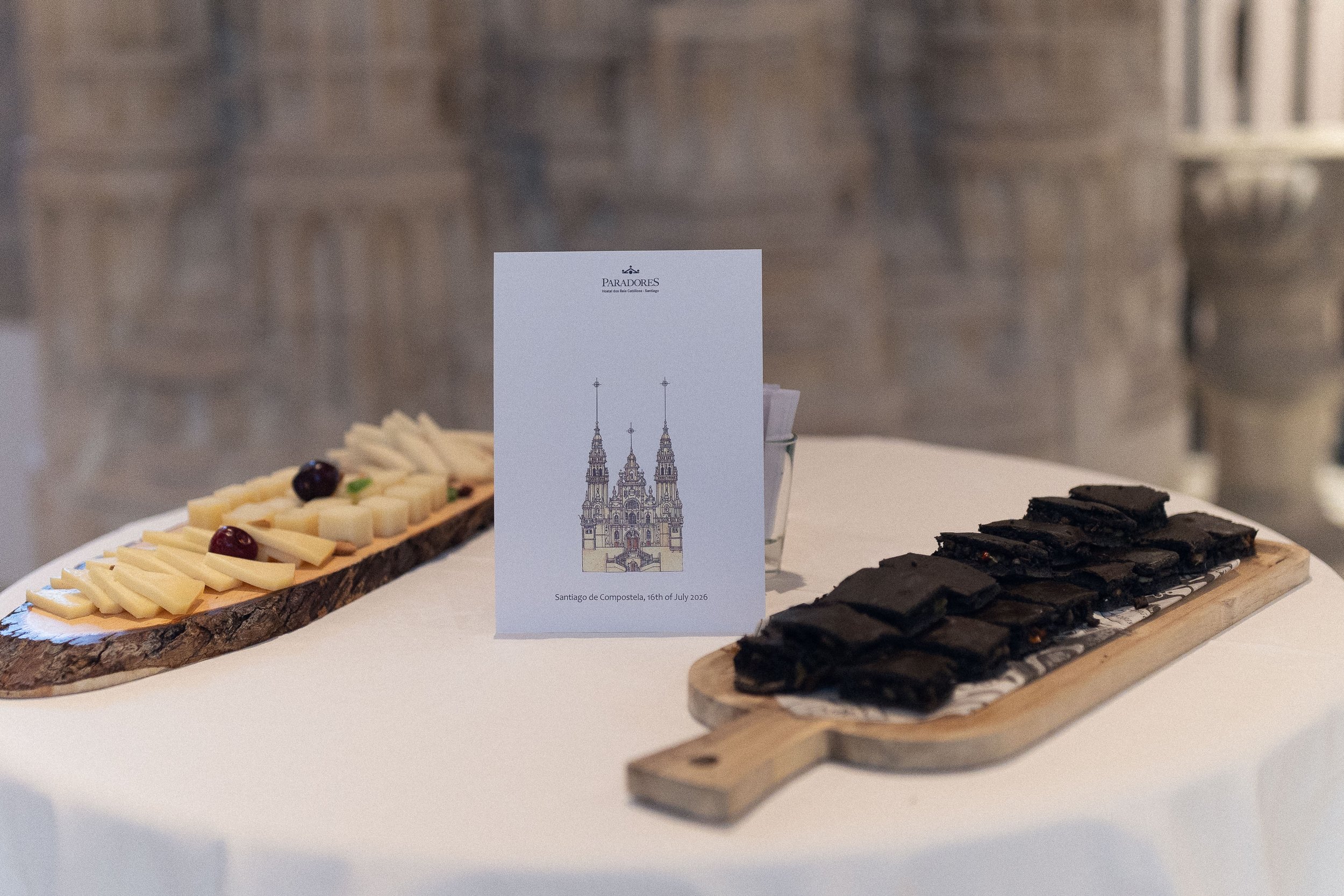
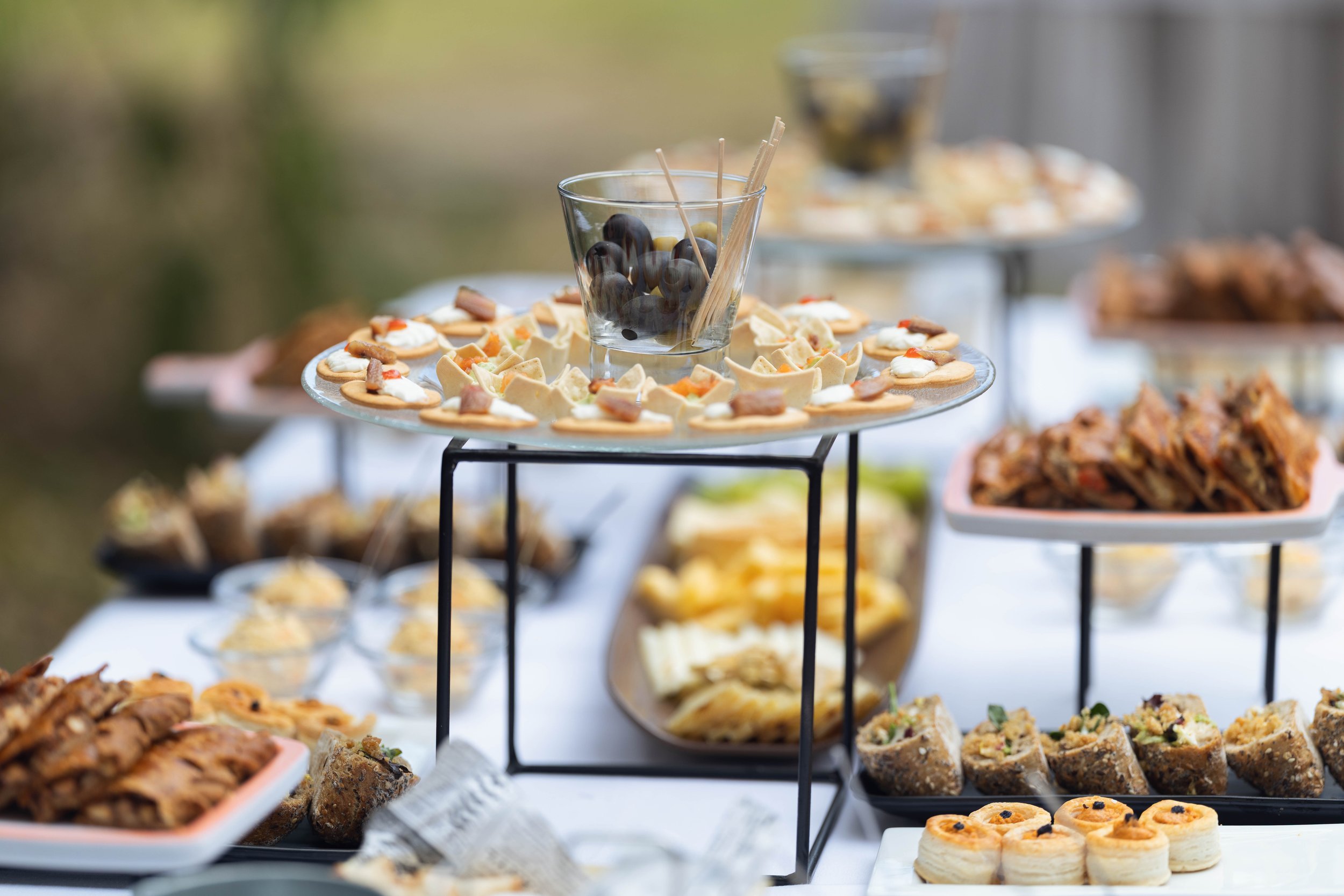
Beyond the academic sessions, the thoughtfully arranged conference coffee breaks and banquet offered participants an opportunity to experience the distinctive culinary traditions of Galicia, Spain. Local specialties included Galician-style octopus, Spanish cured ham, and the traditional Santiago almond cake and so on. These culinary experiences, shared alongside conversations and interactions, added a warm and delightful touch to the academic journey.
4.Growing Through Exchange
The journey to Spain for CHIRALITY 2026 was not only an opportunity to explore international research frontiers and exchange scientific findings, but also a memorable experience of discovering a different culture and broadening international perspectives.
Through in-depth discussions with international colleagues, we gained further insights into the latest advances in chirality science and its growing interdisciplinary convergence, while gaining fresh perspectives and research inspiration in the design of chiral materials, functional regulation, and device applications. Meanwhile, cultural experiences and interactions throughout the journey brought additional insights and personal growth beyond the academic experience.
Looking ahead, we will continue to actively engage in international academic exchange, keep abreast of emerging scientific frontiers and interdisciplinary innovations, and foster research collaboration and the exchange of ideas. Through open dialogue and collaboration, we aim to broaden its research horizons and explore new directions in scientific discovery.